
Blog
Volvo V90 Cross Country: Complete 2026 Guide to Luxury, Performance, AWD, Technology, and Practicality

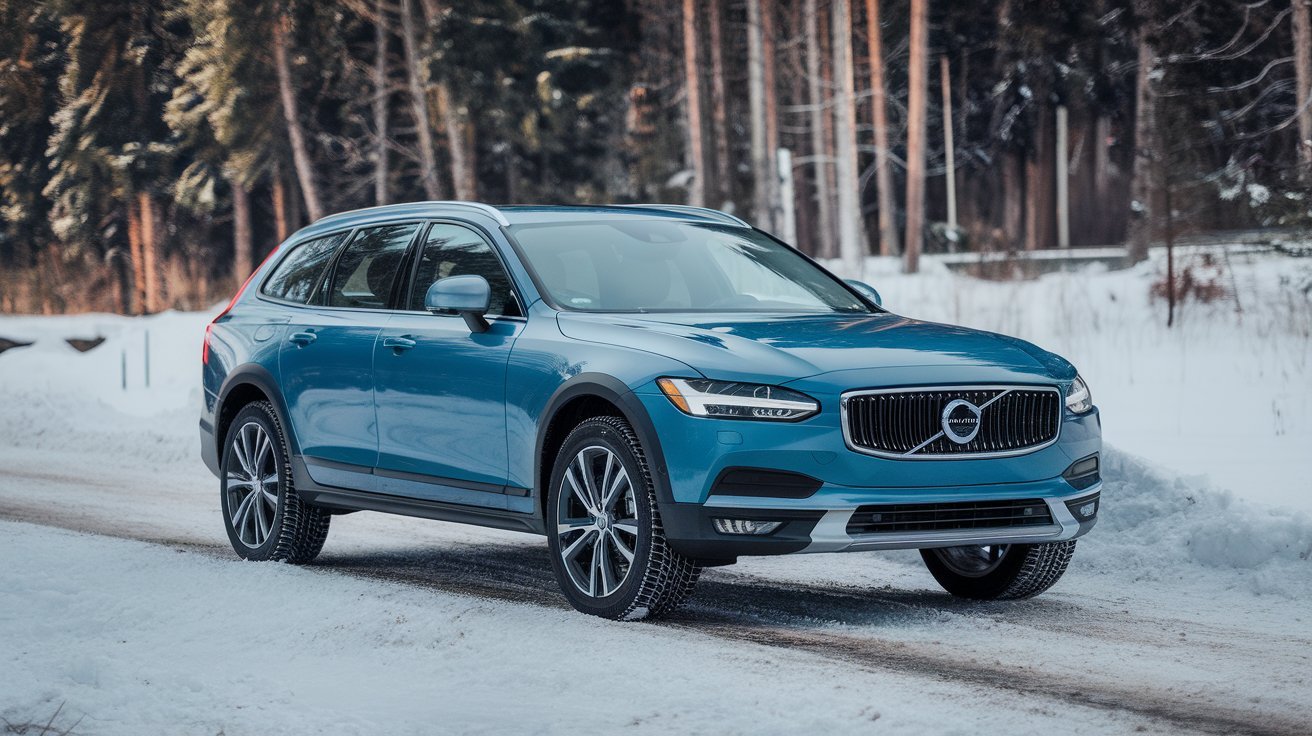
The Volvo V90 Cross Country is one of the most distinctive luxury vehicles in the premium wagon market. Combining the elegant proportions of a large station wagon with all-wheel drive, increased ground clearance, mild-hybrid power, advanced safety technology, and impressive cargo versatility, the V90 Cross Country offers an alternative to the increasingly common luxury SUV.
In 2026, the Volvo V90 Cross Country is particularly notable because it represents one of the final opportunities for buyers to experience Volvo’s large luxury wagon formula. Volvo’s U.S. information indicates that the V90 Cross Country is no longer generally available as a new vehicle, although remaining inventory and certified pre-owned examples may still be available depending on the market.
The appeal of the Volvo V90 Cross Country comes from its ability to combine premium comfort with genuine all-weather and light off-road capability. It is designed for drivers who appreciate the lower seating position and elegant proportions of a wagon but still want the confidence associated with an elevated, all-wheel-drive vehicle.
Volvo V90 Cross Country Design and Exterior Styling
The exterior design of the Volvo V90 Cross Country follows the Scandinavian design philosophy for which Volvo has become well known. The vehicle has a long roofline, a clean body profile, distinctive LED lighting, and subtle design details rather than excessive visual decoration.
Compared with a conventional V90 wagon, the Cross Country version adds a more rugged personality. Increased ground clearance, protective exterior cladding, roof rails, and all-wheel-drive capability help prepare the vehicle for changing road conditions and outdoor travel.
The 2026 V90 Cross Country measures approximately 195.2 inches in length, 75.9 inches in width, and 60.7 inches in height, with a 115.8-inch wheelbase. These dimensions give it the presence of a large luxury vehicle while preserving the lower and more streamlined proportions that distinguish a wagon from a traditional SUV.
The design offers a practical advantage as well. The long roofline contributes to useful passenger and cargo space without creating the taller body profile of a large SUV. For buyers who prefer a vehicle with a lower center of gravity and easier roof access, the wagon shape can be especially appealing.
The V90 Cross Country proves that a practical vehicle does not have to look utilitarian. Its combination of luxury styling and adventure-ready design remains one of its strongest characteristics.
Mild-Hybrid Performance and All-Wheel Drive
The modern Volvo V90 Cross Country uses a mild-hybrid gasoline powertrain. Volvo’s mild-hybrid system recovers energy generated during braking and stores it in a 48-volt battery, allowing the recovered energy to support vehicle operation and improve efficiency compared with a conventional gasoline-only setup.
The 2026 U.S.-market configuration listed by Volvo features 295 horsepower and 310 lb.-ft. of torque, along with an automatic transmission and standard all-wheel drive. Volvo lists acceleration from 0 to 100 km/h at approximately 6.1 seconds for this configuration.
This level of performance makes the V90 Cross Country more than simply a comfortable touring vehicle. The powertrain provides strong acceleration for highway merging and passing while maintaining the smooth character expected from a premium Volvo.
Standard AWD is particularly important to the Cross Country identity. The system is designed to support traction on wet roads, snow-covered surfaces, gravel, and other changing conditions. Volvo also equips the V90 Cross Country with features such as Off Road mode and Hill Descent Control, helping drivers manage more challenging surfaces at appropriate speeds.
The V90 Cross Country is not intended to replace a dedicated off-road vehicle. Instead, it is designed for drivers who want additional confidence when traveling to mountain cabins, campsites, ski destinations, rural properties, or locations connected by unpaved roads.
Ground Clearance and Cross Country Capability
One of the defining differences between the standard V90 concept and the V90 Cross Country is its increased capability away from perfectly maintained pavement.
Volvo highlights high ground clearance, all-wheel drive, Off Road mode, and Hill Descent Control as central features of the Cross Country package. Depending on model year and market specifications, the vehicle has approximately 7.9 inches of ground clearance, giving it a useful advantage over a conventional luxury wagon.
This elevated stance can make a meaningful difference when encountering:
- Snow-covered roads
- Gravel driveways
- Uneven rural roads
- Light trails
- Rough parking areas
- Outdoor recreation destinations
Volvo has also offered features such as an optional Active Chassis with rear air suspension, depending on configuration and market. These systems are designed to support ride quality and vehicle control while maintaining the premium driving experience expected from the V90 Cross Country.
The vehicle’s capability is best described as adventure-oriented luxury, rather than extreme off-roading. This makes it suitable for buyers whose journeys occasionally leave paved roads but who still spend most of their driving time commuting, touring, or traveling on highways.
Luxury Interior and Scandinavian Comfort
The interior is one of the strongest reasons to consider the Volvo V90 Cross Country. Volvo has designed the cabin around clean lines, premium materials, comfortable seating, and a calm visual environment.
The five-seat cabin provides generous space for passengers, particularly in the front. Volvo lists approximately 42.2 inches of front legroom and 35.9 inches of rear legroom for the current configuration.
The V90 Cross Country is designed as a long-distance vehicle, and its interior features reflect that purpose. Depending on trim and equipment, available features include power-adjustable seats, memory functions, power side bolsters, premium sound, advanced climate systems, and sophisticated driver displays.
The rear cargo area is another important advantage. Current specifications list approximately 25.2 cubic feet of cargo capacity behind the second row and up to 53.6 cubic feet with the rear seats folded.
This makes the vehicle practical for:
- Family luggage
- Weekend travel
- Outdoor equipment
- Sports gear
- Shopping
- Pet transportation
- Long-distance road trips
The wagon body style creates a wide and practical loading area while maintaining an elegant exterior profile.
Technology, Google Built-In, and Premium Audio
Modern V90 Cross Country models integrate technology directly into the driving experience.
One of the most important features is Google built-in, including Google Maps, Google Assistant, and Google Play. These services are integrated into the vehicle’s infotainment environment and can provide navigation, voice assistance, and access to compatible applications.
The V90 Cross Country also supports Apple CarPlay and Android Auto, allowing compatible smartphones to connect with the vehicle’s infotainment system.
Depending on the configuration, premium technology can include:
- Google Maps navigation
- Google Assistant voice control
- Google Play applications
- Apple CarPlay
- Android Auto
- Bluetooth connectivity
- Volvo Cars App remote functions
- Harman Kardon Premium Sound System
- Head-up display
- 360-degree camera
Volvo also provides digital services with new vehicles for a limited included period, after which continuation may require a subscription. Remaining subscription time can transfer with the vehicle when ownership changes, according to Volvo’s published information.
Safety and Advanced Driver Assistance
Safety has long been central to the Volvo brand, and the V90 Cross Country includes a broad range of driver-support technologies.
Volvo highlights features including driver assistance technology, Blind Spot Information System, and a 360-degree camera.
Depending on model year and vehicle configuration, Volvo safety and assistance systems may include technologies such as:
- Adaptive cruise control
- Lane Keeping Aid
- Blind Spot Information System
- Cross Traffic Alert
- Collision avoidance and braking support
- Run-off Road Mitigation
- Oncoming Lane Mitigation
- Driver Alert Control
- Road Sign Information
Volvo has also equipped previous V90 Cross Country models with Pilot Assist and collision-avoidance technologies, depending on the specific model year and trim.
These systems are intended to assist the driver and improve awareness in certain situations. They do not eliminate the need for attentive, responsible driving.
For used-car buyers, confirming the exact safety and technology package on an individual vehicle is important because equipment can vary between model years and trim levels.
Towing, Roof Capacity, and Everyday Practicality
The Volvo V90 Cross Country is more versatile than its elegant appearance might initially suggest.
Current U.S. specifications list a maximum towing capacity of 3,500 pounds when properly equipped. The vehicle also has a listed maximum roof load of 220 pounds.
This combination provides useful flexibility for owners with active lifestyles. The V90 Cross Country can support appropriately rated trailers while also carrying equipment on its roof rails.
The wagon’s design can be especially useful for outdoor enthusiasts because loading bicycles, roof boxes, skis, and other equipment can be easier than with a taller SUV.
For daily use, the vehicle’s lower roofline can also make it easier to access roof-mounted equipment while retaining a large and practical cargo area.
Is the Volvo V90 Cross Country Worth Buying in 2026?
The Volvo V90 Cross Country remains a highly distinctive choice in 2026, particularly for drivers who do not want to follow the conventional SUV route.
Its biggest strengths include:
- Luxury five-seat wagon design
- Standard all-wheel drive
- Mild-hybrid powertrain
- 295 horsepower
- 310 lb.-ft. of torque
- Increased ground clearance
- Off Road mode
- Hill Descent Control
- Google built-in
- Apple CarPlay and Android Auto
- Premium Harman Kardon audio
- Advanced driver-assistance technology
- Up to 53.6 cubic feet of cargo capacity
- Up to 3,500 pounds of towing capacity
For buyers in the United States, availability deserves special attention. Volvo’s official consumer site states that the V90 Cross Country is no longer broadly available as a new vehicle, while Volvo’s support information and other official pages continue to provide 2026 model resources. This means availability can depend heavily on remaining inventory and local market conditions.
As a result, certified pre-owned and low-mileage examples may be particularly attractive for buyers seeking this combination of luxury and versatility.
Conclusion
The Volvo V90 Cross Country represents a rare combination in the modern automotive market. It delivers the practicality of a large wagon while offering all-wheel drive, increased ground clearance, mild-hybrid performance, advanced safety systems, premium technology, and genuine long-distance comfort.
Its spacious five-seat interior, flexible cargo area, towing capability, and sophisticated Scandinavian design make it an appealing alternative to a traditional luxury SUV. With 295 horsepower, AWD, modern connectivity, and Cross Country-specific capability, the V90 remains practical for both daily commuting and weekend adventures.
For buyers searching for a premium vehicle that combines elegance, comfort, utility, and all-weather confidence, the Volvo V90 Cross Country remains one of the most distinctive luxury wagons to consider in 2026.
Frequently Asked Questions About the Volvo V90 Cross Country
Is the Volvo V90 Cross Country all-wheel drive?
Yes. The modern V90 Cross Country uses standard all-wheel drive, helping provide traction in changing weather and road conditions.
How much horsepower does the 2026 Volvo V90 Cross Country have?
Current U.S. specifications list the V90 Cross Country with 295 horsepower and 310 lb.-ft. of torque.
How much cargo space does the Volvo V90 Cross Country have?
Current specifications list approximately 25.2 cubic feet behind the rear seats and up to 53.6 cubic feet with the rear seats folded.
Can the Volvo V90 Cross Country tow a trailer?
Yes. When properly equipped, the V90 Cross Country has a listed maximum towing capacity of 3,500 pounds.
Does the Volvo V90 Cross Country have Google built-in?
Yes. The V90 Cross Country includes Google Maps, Google Assistant, and Google Play built-in.
Is the Volvo V90 Cross Country still available in 2026?
Availability depends on the market and remaining inventory. Volvo’s U.S. consumer site states that the V90 Cross Country is no longer generally available as a new vehicle and directs shoppers toward other models or Certified by Volvo vehicles.
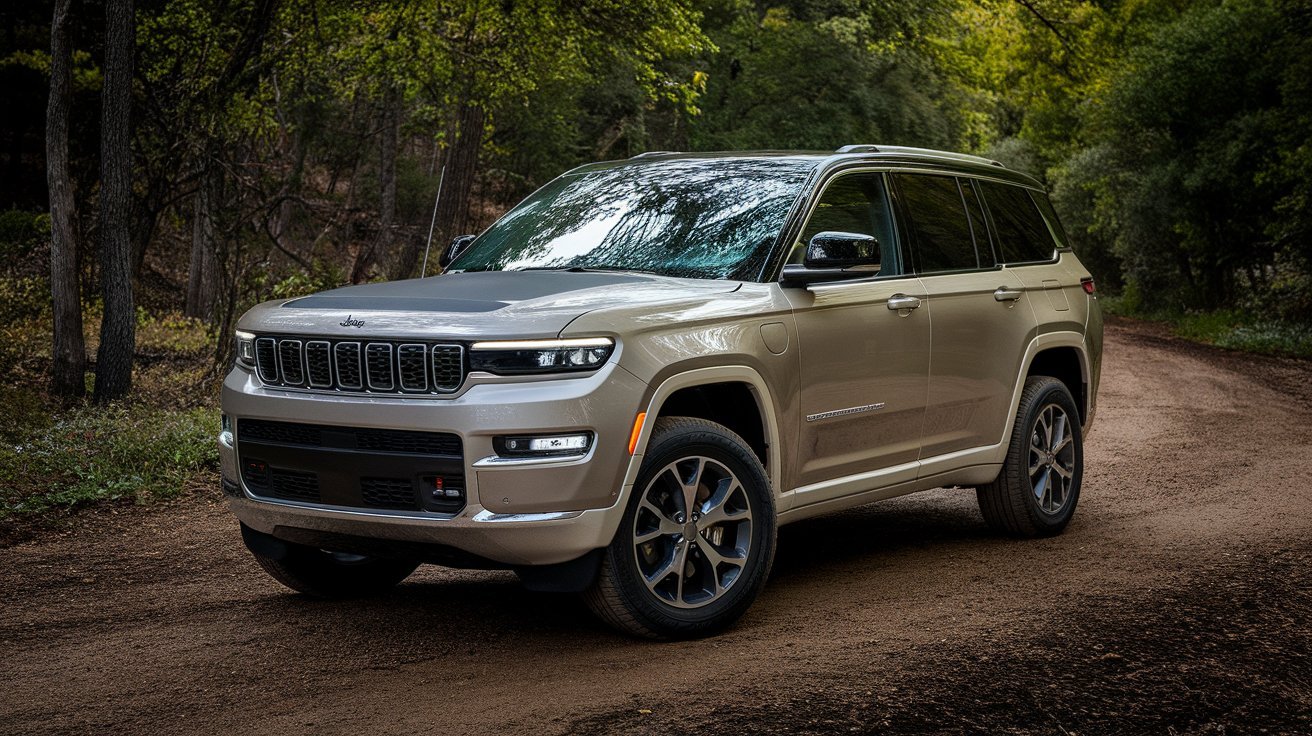
The 2024 Jeep Grand Cherokee Laredo is an appealing midsize SUV for drivers who want a combination of everyday comfort, practical interior space, strong V6 performance, and Jeep’s recognizable design. As the entry point into the two-row Grand Cherokee lineup, the Laredo provides many of the fundamentals buyers expect from a modern SUV without requiring the price of the higher luxury-oriented trims.
For 2026 shoppers considering a used 2024 Jeep Grand Cherokee Laredo, this model remains worth examining because it offers a proven 3.6-liter Pentastar V6, an eight-speed automatic transmission, available four-wheel drive, useful towing capability, modern infotainment, and a comfortable five-passenger cabin. The 2024 Grand Cherokee was largely carried over from the previous model year, with the lineup continuing to offer multiple trims and drivetrain choices.
What Is the 2024 Jeep Grand Cherokee Laredo?
The 2024 Grand Cherokee Laredo is the base trim of the standard two-row Grand Cherokee. It should not be confused with the Grand Cherokee L, which is the longer three-row version. The regular Grand Cherokee seats five passengers, making it particularly suitable for couples and families that do not need a third row.
The Laredo combines Jeep’s traditional SUV character with a relatively sophisticated independent suspension and a modern cabin. Rear-wheel drive is standard on the basic configuration, while four-wheel drive is available, allowing buyers to select a setup better suited to snow, rough roads, or light off-road use.
For buyers searching for a practical but more upscale alternative to compact SUVs, the Laredo sits in an interesting position. It is larger and more capable than many compact crossovers while remaining less expensive and less heavily equipped than upper Grand Cherokee trims.
2024 Grand Cherokee Laredo Engine and Performance
Under the hood, the 2024 Jeep Grand Cherokee Laredo uses a 3.6-liter Pentastar V6. Published specifications list output at approximately 293 horsepower, with torque figures around 257–260 lb-ft, depending on the specification source and configuration. The engine is paired with an eight-speed automatic transmission.
This powertrain is not intended to deliver sports-car acceleration, but it provides adequate performance for commuting, highway driving, family travel, and towing. The eight-speed automatic helps keep the engine operating in a useful part of its power band while contributing to smooth highway cruising.
One major advantage of the Grand Cherokee is its 6,200-pound maximum towing capacity when properly equipped. That gives the SUV enough capability for many recreational trailers, boats, and other loads, although the exact rating depends on equipment and configuration.
Fuel Economy, Dimensions, and Everyday Practicality
Fuel economy is reasonable for a midsize SUV with a naturally aspirated V6. The rear-wheel-drive Laredo is rated at approximately 19 mpg city and 26 mpg highway, or 22 mpg combined. Four-wheel-drive configurations can differ slightly depending on equipment. The vehicle uses a 23-gallon fuel tank, giving it useful highway range for longer journeys.
The 2024 Grand Cherokee measures approximately 193.5 inches long, 77.5 inches wide, and 70.8 inches high, with a 116.7-inch wheelbase. Ground clearance is approximately 8.4 inches in the cited configuration. These dimensions give the SUV a substantial road presence without making it as large as the three-row Grand Cherokee L.
Cargo capacity is another advantage. Edmunds lists approximately 37.7 cubic feet of cargo space, with considerably more available when the rear seats are folded. That makes the Laredo practical for groceries, luggage, outdoor equipment, and everyday family use.
Interior, Technology, and Comfort Features
The 2024 Jeep Grand Cherokee Laredo interior is considerably more modern than the cabin of older Grand Cherokee generations. The dashboard has a clean layout, and the infotainment system gives occupants access to smartphone connectivity and other contemporary functions.
Depending on configuration and equipment, buyers can find features including Apple CarPlay, Android Auto, Bluetooth, USB connectivity, keyless entry, and available wireless smartphone charging. The Laredo focuses on essential equipment, while higher trims add more luxurious materials and technology.
The base model also provides seating for five people, with a spacious second row that makes the two-row Grand Cherokee more useful for families than many smaller SUVs. The elevated driving position provides good visibility and reinforces the vehicle’s traditional SUV character.
The Laredo should not be expected to have every premium feature available in the Summit or Overland models. However, that is part of its appeal: buyers can obtain the fundamental Grand Cherokee package without paying for luxury features they may not need.
Safety and Four-Wheel-Drive Capability
Safety is an important consideration when purchasing a midsize SUV, and the 2024 Grand Cherokee Laredo includes a range of driver-assistance technologies. Available or standard equipment depending on market and configuration includes forward collision warning, automatic emergency braking, lane-departure warning, adaptive cruise control, and blind-spot monitoring.
The available 4×4 system is particularly valuable for buyers who live in areas with snow, ice, muddy roads, or challenging terrain. Jeep offers multiple four-wheel-drive systems across the Grand Cherokee lineup, although the Laredo’s exact equipment depends on how the vehicle was ordered.
It is important to distinguish the Laredo from specialized Grand Cherokee versions such as the Trailhawk. The Laredo can handle difficult conditions when appropriately equipped, but it is primarily designed as a versatile daily-use midsize SUV, rather than a dedicated extreme off-road vehicle.
2024 Jeep Grand Cherokee Laredo Price and Buying Considerations in 2026
The original pricing of the 2024 Grand Cherokee varied according to drivetrain, options, destination charges, and market. Car and Driver lists the standard 2024 Grand Cherokee lineup starting around $39,830, while other specifications sources show different figures depending on configuration and pricing data.
For someone shopping in 2026, the more important figure is the vehicle’s current used-market condition and price. A used Laredo should be evaluated based on mileage, service history, accident history, tire condition, brake wear, drivetrain operation, and optional equipment.
A vehicle with documented maintenance and a clean history can be considerably more attractive than a cheaper example with questionable service records. We should also check whether the particular vehicle is 4×2 or 4×4, because drivetrain configuration can significantly affect its usefulness and resale appeal.
Is the 2024 Jeep Grand Cherokee Laredo Worth Buying?
The 2024 Jeep Grand Cherokee Laredo makes the most sense for buyers who want a traditional midsize SUV with a comfortable five-passenger cabin, strong V6 performance, useful cargo space, available 4×4 capability, and respectable towing capacity.
Its strongest advantages include the 293-hp V6, eight-speed automatic transmission, available four-wheel drive, approximately 6,200 pounds of maximum towing capacity, modern cabin technology, and comfortable ride.
There are compromises. The V6 is not especially fuel-efficient by modern hybrid-SUV standards, and the Laredo does not provide the premium interior equipment found on more expensive Grand Cherokee trims. Nevertheless, as an entry-level Grand Cherokee, it offers a strong balance between capability and practicality.
For a 2026 used-SUV buyer, a well-maintained 2024 Laredo can therefore remain an attractive option, particularly for someone who values Jeep’s styling and available four-wheel-drive capability.
Conclusion
The 2024 Jeep Grand Cherokee Laredo is a well-rounded midsize SUV that combines traditional Jeep capability with modern comfort and technology. Its 3.6-liter V6, eight-speed automatic transmission, five-passenger interior, available 4×4 system, and up to 6,200 pounds of towing capacity give it considerable versatility.
For 2026 shoppers, the Laredo is especially interesting as a used vehicle because it provides the modern Grand Cherokee platform without the cost of the higher trims. By carefully checking maintenance records, mileage, drivetrain configuration, accident history, and optional equipment, we can find a 2024 Grand Cherokee Laredo that delivers a compelling balance of performance, practicality, and value.
Frequently Asked Questions
Is the 2024 Jeep Grand Cherokee Laredo a good SUV?
Yes. The Laredo offers a strong combination of V6 power, comfort, cargo space, available 4×4 capability, and towing ability, making it suitable for daily driving and family use.
How much horsepower does the 2024 Grand Cherokee Laredo have?
The 3.6-liter V6 produces approximately 293 horsepower.
How many passengers can the 2024 Laredo carry?
The standard Grand Cherokee Laredo is a five-passenger, two-row SUV.
How much can a 2024 Grand Cherokee Laredo tow?
When properly equipped, the Grand Cherokee’s maximum towing capacity is approximately 6,200 pounds.
Does the 2024 Jeep Grand Cherokee Laredo have 4WD?
The Laredo is available with four-wheel drive, while rear-wheel drive is offered on the standard configuration.
What fuel economy does the 2024 Laredo get?
The rear-wheel-drive V6 version is rated at approximately 19 mpg city, 26 mpg highway, and 22 mpg combined.
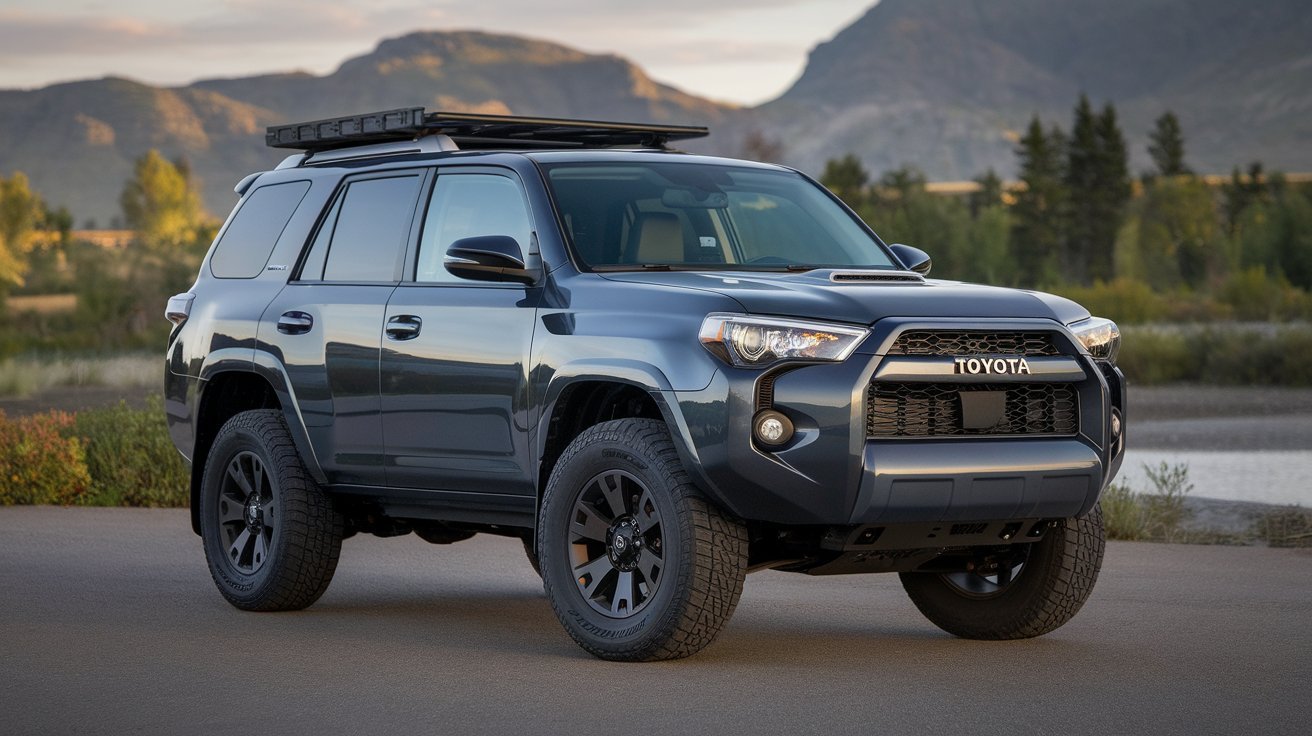
The Toyota 4Runner 2025 represents one of the biggest changes in the history of Toyota’s popular midsize SUV. After the previous generation remained on sale for roughly 15 years, Toyota introduced an entirely redesigned sixth-generation 4Runner for 2025. The new model keeps the rugged, body-on-frame character that made the 4Runner famous while adding modern turbocharged engines, an available hybrid powertrain, improved technology, updated suspension engineering, and more sophisticated interior features.
For drivers looking for an SUV that can handle daily commuting, family trips, towing, camping, and serious off-road adventures, the 2025 4Runner offers an unusually broad range of configurations. It shares its TNGA-F platform and much of its engineering philosophy with vehicles such as the Toyota Tacoma and Land Cruiser, while maintaining distinctive 4Runner styling and functionality.
What Makes the 2025 Toyota 4Runner Different?
The biggest news for the 2025 Toyota 4Runner is the transition from the old fifth-generation design to a completely new sixth-generation model. The previous generation used a naturally aspirated 4.0-liter V6 and five-speed automatic transmission, while the new 4Runner moves to a turbocharged 2.4-liter four-cylinder engine paired with an eight-speed automatic transmission.
The standard i-FORCE engine produces 278 horsepower and 317 lb-ft of torque, providing more torque than the outgoing V6 while using a significantly more modern powertrain. Toyota also introduced the i-FORCE MAX hybrid, which combines the turbocharged engine with an electric motor to produce approximately 326 horsepower and 465 lb-ft of torque.
The redesign also brings a more modern cabin, updated suspension geometry, additional driver-assistance technology, larger infotainment screens, and new trims such as Platinum and Trailhunter.
2025 Toyota 4Runner Engine and Performance
The standard 2.4-liter turbocharged four-cylinder is the foundation of the 2025 4Runner lineup. It generates 278 horsepower and 317 lb-ft of torque and works exclusively with an eight-speed automatic transmission.
Rear-wheel drive is available on selected versions, while four-wheel-drive configurations add equipment designed for more demanding terrain. Depending on the trim, buyers can get features such as a two-speed transfer case, low-range gearing, locking rear differential, electronically controlled off-road systems, and specialized suspension equipment.
For customers who want maximum power, the i-FORCE MAX hybrid is the more compelling option. It raises output to approximately 326 horsepower and 465 lb-ft of torque, giving the 4Runner substantially stronger low-end pulling power. The hybrid system is particularly useful when climbing steep terrain, accelerating with a loaded vehicle, or towing.
The 4Runner’s maximum towing capacity reaches 6,000 pounds, representing a significant improvement over the previous generation. That makes the SUV suitable for many boats, trailers, recreational vehicles, and outdoor equipment.
2025 Toyota 4Runner Trims and Off-Road Models
One of the strongest aspects of the 2025 Toyota 4Runner lineup is the number of available configurations. The range includes models such as SR5, TRD Sport, TRD Off-Road, TRD Sport Premium, TRD Off-Road Premium, Limited, Platinum, TRD Pro, and Trailhunter, with hybrid availability varying by trim.
The SR5 provides the basic 4Runner experience for buyers who want the new platform without paying for every off-road upgrade. The TRD Sport focuses more heavily on on-road appearance and handling, while the TRD Off-Road is aimed at drivers who expect to spend substantial time on trails.
The TRD Pro sits near the top of the off-road range and adds specialized suspension and trail equipment. The new Trailhunter takes a different approach, concentrating on overlanding. It comes with the i-FORCE MAX hybrid system, 33-inch all-terrain tires, increased ride height, a high-mounted air intake, and specialized Old Man Emu suspension components.
For luxury-oriented buyers, Limited and Platinum versions add upscale equipment and technology while retaining the 4Runner’s body-on-frame architecture.
Interior, Comfort, Cargo, and Technology
Inside, the 2025 4Runner is dramatically more modern than its predecessor. The cabin shares some design characteristics with the Tacoma, including a practical dashboard layout and strategically positioned storage areas.
An 8-inch infotainment touchscreen is standard, while a larger 14-inch display is available on higher configurations. A 12.3-inch digital instrument display is also available. Wireless Apple CarPlay and Android Auto, USB-C connectivity, and wireless smartphone charging help bring the 4Runner up to contemporary technology standards.
The SUV can also be configured with an optional third-row seat on applicable gasoline-powered models. The third row is more appropriate for children or occasional passengers than for adults on long journeys, but it provides additional flexibility for families.
One signature 4Runner feature remains: the power-operated rear window can roll down, giving occupants a more open-air experience and making it easier to access the cargo area.
Fuel Economy, Dimensions, and Everyday Driving
The new 4Runner is not designed primarily as a fuel-economy vehicle, but the modern powertrain improves efficiency compared with the previous V6-powered model. Depending on drivetrain and trim, EPA combined ratings are generally in the low-20-mpg range, with rear-wheel-drive versions achieving up to approximately 22 mpg combined according to published specifications.
The 4Runner remains a relatively large midsize SUV, measuring roughly 194.9 inches long with a 112.2-inch wheelbase. Its body-on-frame construction contributes to a substantial curb weight, but it also gives the vehicle the toughness expected from a traditional off-road SUV.
On pavement, the redesigned model benefits from improved driving dynamics and a more refined cabin. Nevertheless, buyers should remember that it remains a truck-based SUV, rather than a soft, car-based crossover. Its steering, suspension, ride height, and overall dimensions are optimized for durability and off-road capability as much as highway comfort.
Is the 2025 Toyota 4Runner Worth Buying?
The 2025 Toyota 4Runner is particularly attractive for buyers who want one vehicle capable of handling several different lifestyles. It can function as a family SUV during the week and become a capable trail or overlanding vehicle on weekends.
The standard turbocharged engine provides strong torque, while the i-FORCE MAX hybrid offers substantially more power. Buyers who want serious off-road capability can choose TRD Off-Road, TRD Pro, or Trailhunter configurations, while customers who prioritize comfort can move toward Limited or Platinum models.
The main compromises are also clear. The 4Runner is not as fuel-efficient or car-like as many crossover SUVs, and higher trims can become expensive. The optional third row is also relatively tight for adults. However, for buyers who value off-road capability, towing capacity, rugged construction, Toyota’s SUV heritage, and long-distance adventure potential, these compromises may be worthwhile.
Conclusion
The Toyota 4Runner 2025 successfully brings a legendary SUV into a new era without abandoning its rugged identity. The sixth-generation model introduces a 2.4-liter turbo engine, available i-FORCE MAX hybrid power, an eight-speed automatic transmission, modern infotainment, updated safety technology, improved driving dynamics, and a broad selection of trims.
With up to 6,000 pounds of towing capacity, available four-wheel drive, dedicated off-road models, and the adventure-focused Trailhunter, the 2025 4Runner is more versatile than ever. At the same time, Limited and Platinum versions demonstrate that the 4Runner can provide considerably more comfort and technology than its predecessor.
For 2026 buyers considering a recently redesigned midsize SUV, the 2025 Toyota 4Runner remains an important choice for anyone who wants the combination of everyday practicality and genuine off-road capability.
Frequently Asked Questions About the 2025 Toyota 4Runner
Is the 2025 Toyota 4Runner a new generation?
Yes. The 2025 model begins the sixth generation of the Toyota 4Runner, replacing the fifth-generation vehicle that had been sold since the 2010 model year.
How much horsepower does the 2025 4Runner have?
The standard turbocharged 2.4-liter four-cylinder produces 278 horsepower. The available i-FORCE MAX hybrid system increases combined output to approximately 326 horsepower.
How much can the 2025 4Runner tow?
The maximum published towing capacity is 6,000 pounds, depending on configuration.
Does the 2025 4Runner have a hybrid option?
Yes. The i-FORCE MAX hybrid combines the 2.4-liter turbocharged engine with an electric motor and produces approximately 326 horsepower and 465 lb-ft of torque.
Which 2025 4Runner is best for off-roading?
The TRD Pro and Trailhunter are among the most specialized choices. The Trailhunter is particularly focused on overlanding and comes with features such as 33-inch all-terrain tires, specialized suspension equipment, and the i-FORCE MAX hybrid powertrain.
Does the 2025 Toyota 4Runner have a third row?
An optional third row is available on certain configurations. It is best suited to children or occasional passengers because adult space is limited.
Blog
Hagerstown Field House: Complete 2026 Guide to Sports, Fitness, Leagues, Events, and Community Recreation

The Hagerstown Field House has become one of the most important destinations for indoor sports, fitness, recreation, and community events in Hagerstown, Maryland. Located at 290 E. Memorial Boulevard, the modern facility provides a large indoor environment where children, teenagers, adults, athletes, teams, families, and visitors can participate in sports programs throughout the year.
Covering more than 114,000 square feet, Hagerstown Field House was developed as a major community recreation and sports tourism project on the site of the former Municipal Stadium. The facility opened to the public in 2025 and includes indoor artificial turf fields, hard courts, a fitness center, group exercise space, a café, youth programming, adult leagues, tournaments, birthday parties, and rental opportunities.
For anyone searching for Hagerstown Field House information in 2026, the facility offers much more than a traditional gym or local recreation center. It is designed as a multi-purpose sports hub that supports regular community programming while also attracting teams and visitors for competitions and tournaments.
Hagerstown Field House Location, History, and Community Purpose
Hagerstown Field House is located at 290 E. Memorial Blvd., Hagerstown, Maryland 21740. The facility was constructed on the former Municipal Stadium site as part of a broader effort to expand recreational opportunities and create a destination capable of supporting sports tourism in Hagerstown and Washington County.
The project represented a significant investment in the community. City information describes the Field House as a roughly 114,000-square-foot indoor sports facility, while later city financial reporting lists the completed project at approximately $26 million. The facility opened in early 2025 and was developed in partnership with Eastern Sports Management, which operates the complex.
The purpose of the Field House extends beyond providing a place for local games. City planning documents identified the facility as an opportunity to support youth recreation, young adults, organized sports, and tournament travel. Weekend competitions and larger sporting events can bring athletes, coaches, families, and spectators into the Hagerstown area, potentially supporting hotels, restaurants, retail businesses, and other local services.
This combination of community recreation and visitor activity gives Hagerstown Field House an important role within the region’s sports infrastructure.
Indoor Turf Fields and Multi-Sport Facilities
One of the biggest attractions at Hagerstown Field House is its indoor sports space. The facility includes two indoor artificial turf fields, providing a climate-controlled environment for training, league games, clinics, and tournaments.
The turf areas support sports and activities including:
- Soccer
- Flag football
- Futsal
- Field hockey
- Lacrosse
- Youth sports programming
- Training sessions and camps
The availability of indoor turf is especially valuable during periods of poor weather. Rain, snow, extreme heat, and seasonal conditions can interrupt outdoor programs, while an indoor sports facility allows teams and athletes to continue participating throughout much of the year.
In addition to the turf fields, Hagerstown Field House provides extensive hardcourt space. The facility includes four basketball courts and eight volleyball courts, with flexible court configurations that allow the building to support different activities and events.
This flexibility is one of the facility’s greatest strengths. A multi-purpose building can host different sports programs across the week, creating more opportunities for athletes and reducing the need for separate facilities for every activity.
Youth Sports Classes, Clinics, and Programs
Youth programming is a major part of the Hagerstown Field House experience. The facility offers sports classes and skill-building opportunities designed for children at different ages and experience levels.
The Field House advertises youth activities in sports such as soccer, basketball, volleyball, flag football, and T-ball, with programs designed for children ranging from approximately 18 months through 12 years, depending on the specific class or activity.
These programs can help children develop more than athletic ability. Organized sports and recreation can encourage:
- Teamwork
- Confidence
- Coordination
- Physical fitness
- Communication
- Sportsmanship
- Social interaction
For younger children, introductory programs can provide an opportunity to become comfortable with movement and organized activities. Older children may focus more heavily on skill development and competitive preparation.
Families should review the current Hagerstown Field House schedule before registering because program availability, age groups, seasons, fees, and registration periods can change throughout the year.
Adult Leagues and Competitive Recreation
Hagerstown Field House is not limited to youth programming. Adult athletes can participate in organized leagues that provide opportunities for both competition and recreation.
Current adult programming includes sports such as soccer, basketball, volleyball, pickleball, flag football, and lacrosse, depending on the season and available league schedule. Participants may be able to register an entire team or, in some cases, sign up as a free agent seeking placement on a team.
Adult leagues can be particularly valuable for people who want to remain physically active while also building social connections. Instead of exercising alone, participants can join teammates, coworkers, friends, and other local athletes in organized competition.
League structures may include regular-season games, playoffs, and championship events. The combination of competitive and recreational opportunities allows the Field House to appeal to players with different levels of experience.
For new residents of the Hagerstown area, organized leagues can also provide a practical way to meet people and become involved in the local community.
Fitness Center and Health Opportunities
Beyond team sports, Hagerstown Field House includes an approximately 8,000-square-foot fitness facility with a comprehensive fitness floor, group exercise studio, and personal training services.
This makes the facility useful for individuals who may not participate in competitive sports but still want access to a structured fitness environment.
Fitness membership and training opportunities can support goals such as:
- Strength development
- Cardiovascular fitness
- General physical activity
- Sports conditioning
- Personal training
- Group exercise
The facility also promotes family-oriented amenities, including a Kidz Zone for fitness members, according to its official website.
Having sports fields, courts, and fitness facilities within one complex gives families flexibility. One person may attend a group fitness class while another participates in a youth sports activity or league event.
Birthday Parties, Special Events, and Facility Rentals
Hagerstown Field House also serves as an event venue. Families and organizations can explore options for birthday parties, team parties, corporate outings, special events, and facility rentals.
A sports-based birthday party can provide children with an active alternative to traditional party venues. Indoor facilities can also offer advantages when weather conditions make outdoor celebrations unpredictable.
Teams may use rental opportunities for:
- Practices
- Training sessions
- Games
- Tournaments
- Team celebrations
Organizations and businesses may also consider the venue for corporate activities or group events.
Because the facility hosts numerous leagues and programs, availability may depend on the season and existing event schedules. Advance planning is particularly important for larger groups or tournament organizers.
Hagerstown Field House Café and Visitor Experience
A visit to Hagerstown Field House can extend beyond athletic activity. The facility includes a full-service café where athletes, parents, spectators, and visitors can purchase food and beverages.
The official facility description highlights menu options ranging from sandwiches and smoothies to burgers and other meals, along with seating and televisions showing live games.
This type of amenity is especially useful during longer tournaments and league events. Families may spend several hours at a sports complex, and having food available on-site can make the overall experience more convenient.
The café also contributes to the social atmosphere of the Field House. Spectators can relax, watch games, and spend time with other members of the sports community.
Hagerstown Field House Hours, Contact Information, and Planning a Visit
According to the facility’s official location information, standard minimum operating hours are generally:
- Monday–Friday: 6:00 AM–8:00 PM
- Saturday: 7:00 AM–5:00 PM
- Sunday: 8:00 AM–4:00 PM
Evening hours may extend because of league play, tournaments, or special events, so visitors should confirm the current schedule before traveling.
The facility can be contacted through its official contact channels, including (240) 513-7510.
For current schedules, registration information, rentals, youth programs, adult leagues, and fitness opportunities, visitors can use the official Hagerstown Field House website.
Why Hagerstown Field House Matters in 2026
The Hagerstown Field House represents a significant addition to recreation and sports opportunities in Western Maryland. Its combination of indoor turf, flexible courts, youth programs, adult leagues, fitness services, events, rentals, and food service makes it more versatile than a traditional single-purpose sports facility.
The building serves local families and athletes while also providing infrastructure for tournaments and regional events. This combination can support community participation and help attract visitors to Hagerstown.
For children, the Field House offers opportunities to learn and participate. For adults, it provides organized competition and fitness programs. For teams, it creates access to indoor training and competition space. For families, it offers events, parties, and activities throughout the year.
Conclusion
The Hagerstown Field House has established itself as a major indoor sports and recreation destination in Hagerstown, Maryland. With more than 114,000 square feet of activity space, two indoor turf fields, multiple hard courts, an 8,000-square-foot fitness center, youth programs, adult leagues, event rentals, and a full-service café, the facility provides opportunities for a wide range of visitors.
Whether someone is searching for youth sports classes, adult leagues, fitness membership, tournament space, a team practice location, or a venue for a special event, Hagerstown Field House offers a flexible environment designed around sports, activity, community, and recreation.
Frequently Asked Questions About Hagerstown Field House
Where is Hagerstown Field House located?
Hagerstown Field House is located at 290 E. Memorial Blvd., Hagerstown, MD 21740.
What sports are available at Hagerstown Field House?
The facility supports sports including soccer, basketball, volleyball, flag football, futsal, field hockey, lacrosse, and pickleball, with programs varying by season.
Does Hagerstown Field House offer youth programs?
Yes. Youth sports classes and programs include activities such as soccer, basketball, volleyball, flag football, and T-ball, with offerings for different age groups.
Are there adult leagues at Hagerstown Field House?
Yes. Adult leagues include opportunities in sports such as soccer, basketball, volleyball, pickleball, flag football, and lacrosse, depending on current programming.
Does Hagerstown Field House have a fitness center?
Yes. The facility includes an approximately 8,000-square-foot fitness area with fitness equipment, group exercise space, and personal training services.
Can Hagerstown Field House be rented for events or team activities?
Yes. The facility offers options for facility rentals, team practices, games, tournaments, birthday parties, corporate outings, and other special events. Availability should be confirmed directly with the facility.

2024 Jeep Grand Cherokee Laredo: Complete Guide to Specs, Features, Price, and Performance

2025 Toyota 4Runner: Complete Guide to Specs, Trims, Performance, and Features

Volvo V90 Cross Country: Complete 2026 Guide to Luxury, Performance, AWD, Technology, and Practicality

Bearer or Barer: What’s the Difference? Meaning, Correct Usage, Examples, and Common Mistakes

Witness’s: Correct Possessive Form, Grammar Rules, Examples, and Common Mistakes

Thriftyevents.net Page: Your Complete Guide to Budget-Friendly Event Planning and Creative Celebrations
 Fashion2 months ago
Bearer or Barer: What’s the Difference? Meaning, Correct Usage, Examples, and Common Mistakes
- Education2 months ago
Witness’s: Correct Possessive Form, Grammar Rules, Examples, and Common Mistakes
- Entertainment2 months ago
Thriftyevents.net Page: Your Complete Guide to Budget-Friendly Event Planning and Creative Celebrations
- Entertainment2 months ago
Get Blog ThriftyEvents.net: The Complete Guide to Affordable Event Planning
- Celebrity3 months ago
Marshall Coben: Biography, Career, Family, Personal Life, and Interesting Facts
- Education2 months ago
Shiney or Shiny: Which Spelling Is Correct? Meaning, Usage, Examples, and Common Mistakes
- Celebrity3 months ago
Diane Addonizio: Biography, Career, Family, Marriage, and Interesting Facts
- Travel2 months ago
TravelTweaks.com: The Complete 2026 Guide to Smarter Travel Planning, Expert Tips, Destination Guides